

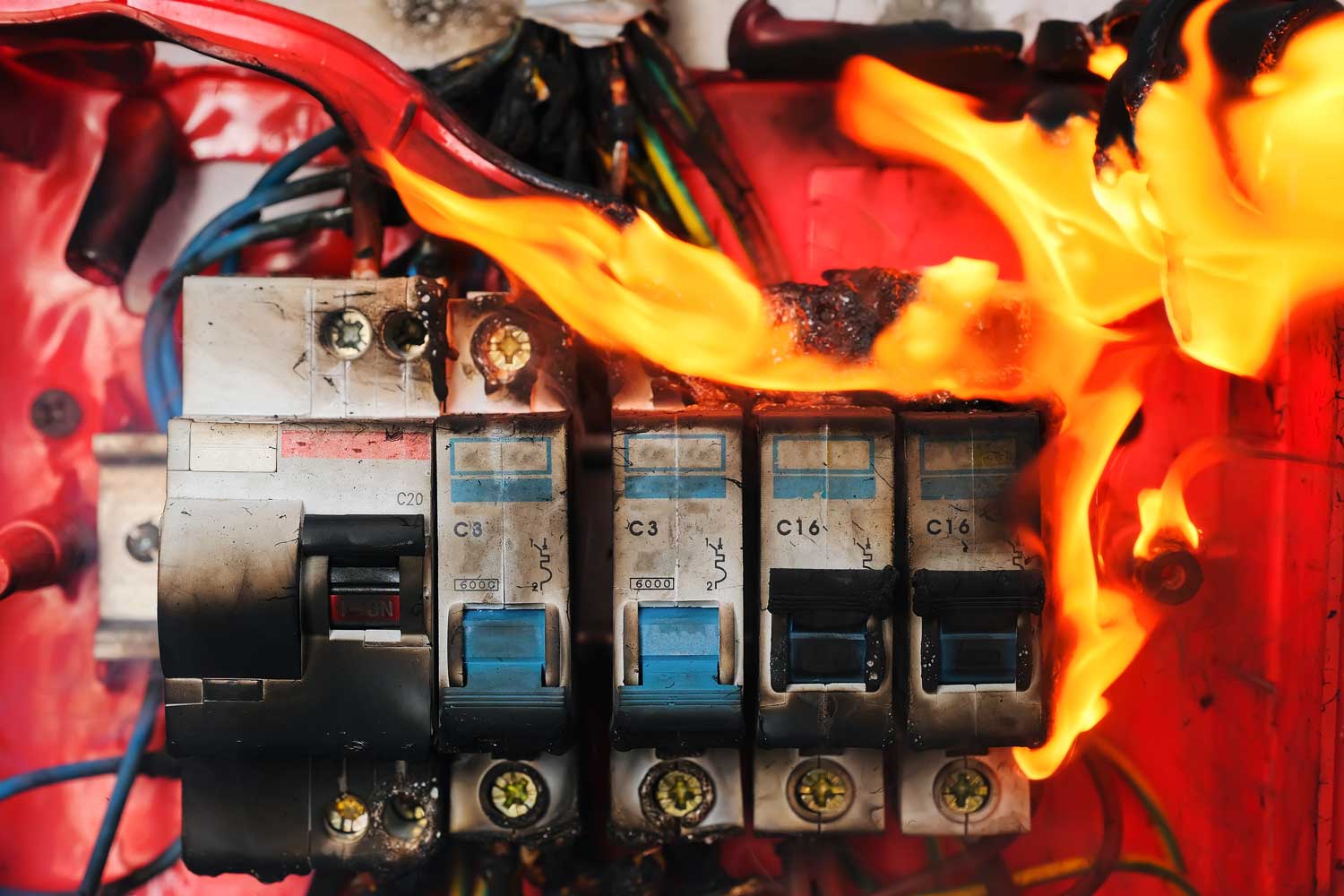
When homeowners enquire about installing an EV charger, one of the first concerns that comes up isn’t the charger itself — it’s the fuse board.
More specifically:
“Will I need a fuse board upgrade before I can install a home EV charger?”
It’s a fair question. Electrical upgrades sound expensive. Nobody wants to commit to a charger installation only to discover halfway through that additional work is required.
The short answer is this: not every home in Ireland needs a fuse board upgrade for an EV charger. But some do. And knowing the difference before booking installation avoids surprises.
This blog post explains how installers decide, what triggers an upgrade, and when it’s genuinely necessary — not just suggested.
Table of Contents
- Why the Fuse Board Matters in the First Place
- What Most Irish Homes Already Have
- Situations Where a Fuse Board Upgrade May Be Required
- When You Probably Don’t Need an Upgrade
- The Role of Load Balancing
- What About Three-Phase Supply?
- Cost Concerns — And How to Avoid Surprises
- SEAI Grant Considerations
- The Practical Reality
- So….Do You Need to Upgrade?
Why the Fuse Board Matters in the First Place
Your fuse board (sometimes called the consumer unit) is the control centre of your home’s electrical system. Every major circuit in the house runs through it — lighting, sockets, shower, cooker, immersion, and now potentially your EV charger.
A home EV charger draws a steady, high electrical load. A standard 7kW charger pulls significantly more power than most individual household appliances. Because of that, it must be connected safely, on its own dedicated circuit, with appropriate protection.
If the fuse board cannot accommodate that safely, an upgrade may be required.
The key word there is safely.
This isn’t about adding more power for the sake of it. It’s about ensuring the system can handle the additional load without overheating, nuisance tripping, or breaching electrical regulations.
What Most Irish Homes Already Have
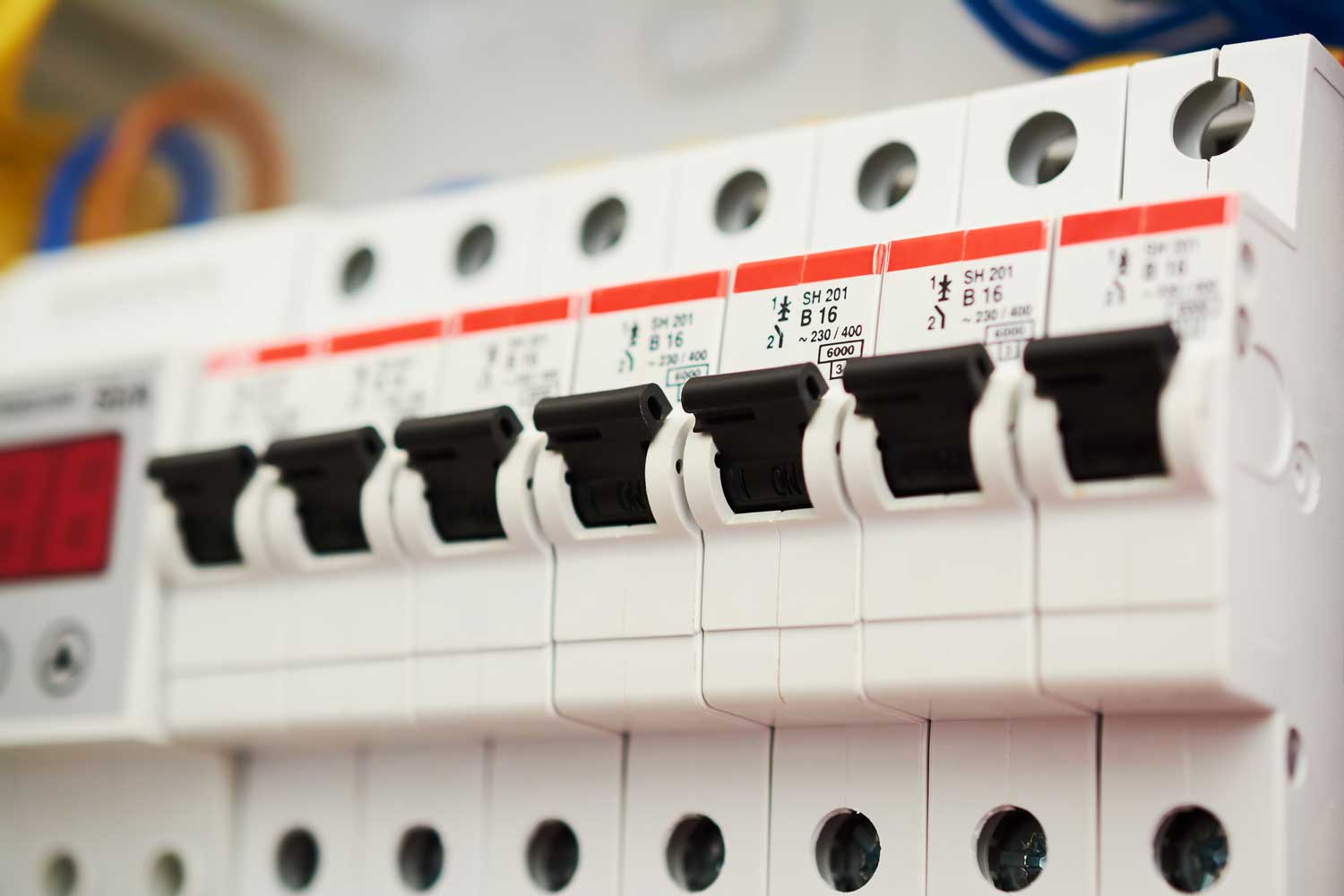
Most houses in Ireland that were built in the last 20-25 years will have what can be described as a “modern” fuse board. These modern fuse boards generally contain: The main switch or off toggle, RCD’s (Residual Current Devices), which differ from fuses as they have no moving parts and are designed to trip out in the event of an adverse change in current. MCB’s (Miniature Circuit Breakers)
- Miniature circuit breakers (MCBs)
- Residual current device (RCD) protection
- Clear labelling
- Adequate spare capacity
In a lot of properties we visit for an EV home survey, installing a 7kW EV charger is quite straightforward. They require a new dedicated incoming supply, some new protection and then the new EV charger can be connected in.
No full board replacement required.
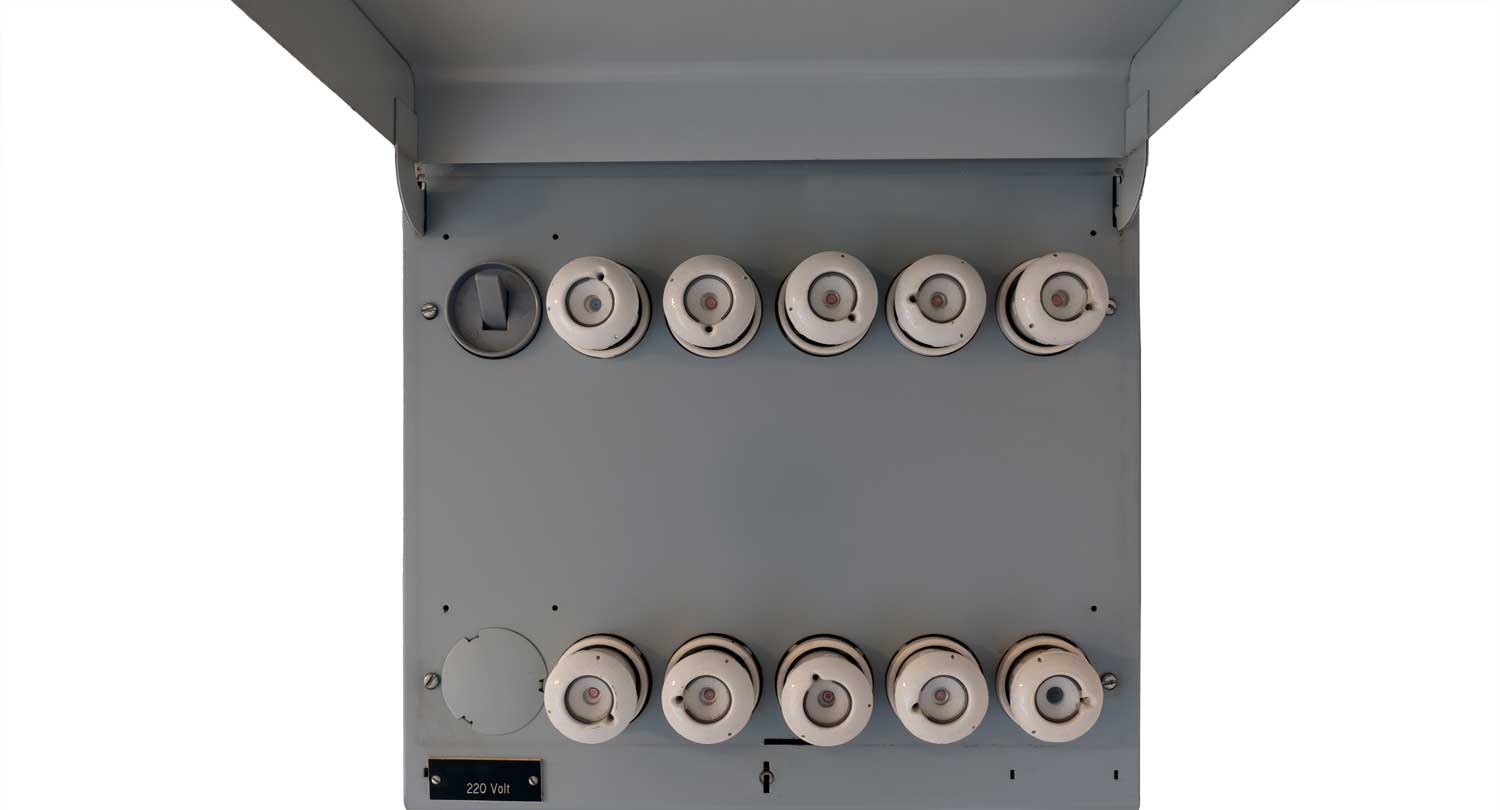
A lot of things have changed but a lot of older homes are still fitted with the old style of panel board without some of the safety features we now consider standard. Adding an Electric Vehicle (EV) charger to the board is a real eye-opener.
Situations Where a Fuse Board Upgrade May Be Required
There are a few common triggers.
1. No Spare Capacity
If your fuse board is already packed with fuses, there may not be enough room to fit a new fuse for the EV charger. Often it is possible to install a small auxiliary enclosure but in many cases it is better to change the whole fuse board.
2. Outdated Protection
A bit of history, older boards may not have protection features in line with modern standards. All EV Chargers must have protection features in line with EI (Irish) Wiring Regulations. In the case of an older board, it may not be safe to charge your car and replacement of the board is the best option.
3. Signs of Wear or Overheating
Common issues we come across, and problems that are highlighted by EV charging installation, are loose connections on the older type of board systems, ageing wiring, and scorch marks. These are not caused by the EV charger, but are simply highlighted by its presence.
Adding a high load to a board which is already under stress is poor design.
4. Major Renovations or Previous Add-Ons
Some of the properties have changed over many years, slowly accumulating small changes, such as electric showers, extension to the board, and immersion timers. All these have taken up space on the board. When we calculate the load for the new charger, it is clear that the board will be working close to full capacity unless we take account of the extra load.
When You Probably Don’t Need an Upgrade
Even with the current issues in the electrical network, it is estimated that only a small percentage of modern Irish homes will require a full rewire of the fuse board to enable the connection of a standard 7kW EV charger.
If:
- Your board is modern
- There is spare capacity
- The system is in good condition
- Load calculations are within limits
- Then the installation is usually straightforward.
The smart load management technology is primarily used to prevent overloading of the grid. This means that your charger can reduce the charging power temporarily if the household load peaks (for example, when you are simultaneously using the shower, the cooker, etc.).
In many cases, the fuse board does not have to be replaced to deal with an increase in electrical load.
The Role of Load Balancing
Load balancing has changed the conversation around fuse board upgrades.
Another old-fashioned idea is that the electric car battery charger must be connected to the house wiring at the same rating as the charger itself, and that the house wiring is capable of delivering this current at all times. Again, there is no realisation that the house wiring should always be operating within a current that matches the load requirements of the house at any given time, and that the current provided by the charger does not necessarily match the load requirements of the house.
For many properties, this removes the need for more invasive electrical upgrades.
Load balancing is not a substitute for bad wiring. Load balancing is a management tool.
What About Three-Phase Supply?
There is a common misconception that, if someone is thinking of getting an EV and would like to charge from a source other than a 13A plug (e.g. a 22kW source) they will need to have their fuse board altered.
Only a small percentage of Irish homes have a three-phase supply. Installing a new RCD protection panel is a completely different kettle of fish.
For the vast majority of domestic applications, charging via single phase supply at a rate of 7kW will be ample for your everyday charging needs. No major structural electrical work will be required.
Cost Concerns — And How to Avoid Surprises
One of the big drivers of the EV Charger Fears we are seeing in Ireland is a worry over how much it will cost to have the fuse board in a home upgraded.
You don’t want to have to ask for a quote on a charger and have to do a fair amount of electrical work.
Preventing Grounding Rod Failures Begins with a Proper Site Assessment.
A qualified installer will:
- Inspect the existing fuse board
- Check available capacity
- Perform load calculations
- Confirm compliance with regulations
- Explain clearly whether upgrades are necessary
This conversation should happen before installation day — not during it.
SEAI Grant Considerations
The charger has to be installed in accordance with current legislation and regulations for safety and then connected to the household electrical system.
It maybe that the Fuse Board has to be replaced to carry out the work required and proceeding without replacement may raise a compliance issue.
In practice, reputable installers ensure everything meets the required standards before certification.
The Practical Reality
Here’s what experience across Irish homes shows:
- Most properties built in the last 20 years should have suitable wiring to enable the installation of an Electric Vehicle charger.
- Some older homes require minor adjustments.
- A smaller number require full fuse board upgrades.
- Very few cases are as dramatic or expensive as people fear.
The key is not guessing.
I don’t think an EV Charger Fuse Board Upgrade is a given in Ireland or necessary, even though it’s a common upgrade in the UK.
So….Do You Need to Upgrade?
This tip applies best if you’re just beginning to ask about costs.
Don’t rely on assumptions from forums.
Don’t budget for worst-case scenarios unnecessarily.
And don’t let fear of electrical upgrades delay the conversation.
Get the property assessed properly.
In most cases the answer will be straightforward. We’d like to know as early as possible in the support process, so you have time to think about it and we can explain the reasons for it before we start work.
Having an Electric Vehicle (EV) charger fitted should be straightforward. We take a look at the importance of understanding your fuse board.
Please contact us at Electric Car Charger Ireland first to confirm that your property is suitable for replacement windows. A very quick site visit will confirm the suitability of your property and prevent any misunderstandings further down the line.
Wondering How Much Does It Cost to Install an EV Charger in Ireland? Check out our 2026 Homeowner Guide in our latest blog post.