Images credited to: ohme-ev.com/ie/how-installation-works/
Most homeowners who are planning to install a home EV charger ask the same practical question: How can I benefit from the home charging grant?
How long will the installation take?
If you’re scheduling a home charger installation or comparing quotes, it’s helpful to know what actually happens on the day and how long electricians typically need to complete the work.
Putting in an electric vehicle charger in homes in Ireland is usually pretty easy and can be done in just a few hours. But every house is unique, so it can take more or less time depending on the house’s layout, how far the charger is from the main electrical panel, and if any extra electrical work needs to be done. Sometimes, it’s quick, but other times it can take longer because of the specifics of the house and the requirements for a Zappi charger.
Some installations can be finished fast, but others take more time, especially when cables have to be run all over the place or the electrical system needs to be upgraded for safe electric standards.
This guide explains how long EV charger installations usually take in Ireland, what electricians do during the installation process, and what factors can affect the timeline.
Table of Contents
Typical EV Charger Installation Time in Ireland
In a standard residential installation, most EV chargers can be installed in conjunction with a home charger grant. between 2 and 4 hours, depending on whether the installation includes a solar PV system..
A straightforward installation usually involves setting up a solar PV system alongside the home charger.
- Mounting the EV home charger on an external wall
- Running a short cable from the fuse board to the charger is essential for connecting the smart charger.
- Installing protective electrical components
- Testing the system for safety is crucial when installing an electric vehicle home charger, especially to ensure compliance with the home charging grant requirements.
- Configuring the charger and mobile app is important for optimizing the use of solar PV during charging.
In homes where the charger can be installed close to the fuse board, the work is usually completed relatively quickly.
Many homeowners are surprised by how efficient the process is when the installation conditions are straightforward.
However, the exact installation time depends on a few important factors, which installers assess before beginning the work.
What Happens During the Installation?
Although EV charger installations are usually completed in a few hours, several steps take place during the process.
Site Preparation
Before starting the installation, electricians confirm the charger location and check the electrical supply, ensuring it meets the requirements for the electric vehicle home charger grant. They also ensure the installation complies with Irish electrical safety standards.
Electrical Connection
The installer will connect the EV charger to the home’s electrical system. This normally involves running cable from the fuse board to the home charger location.
Depending on the layout of the home, cables may run through attic spaces, along exterior walls, or through internal walls.
Charger Installation
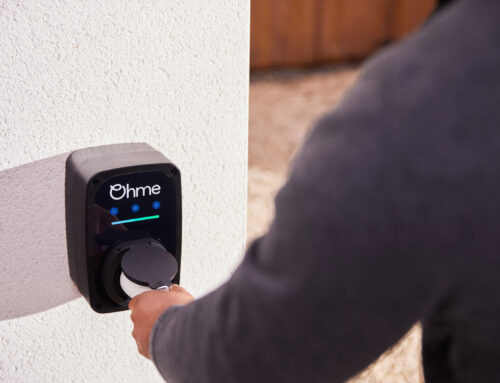
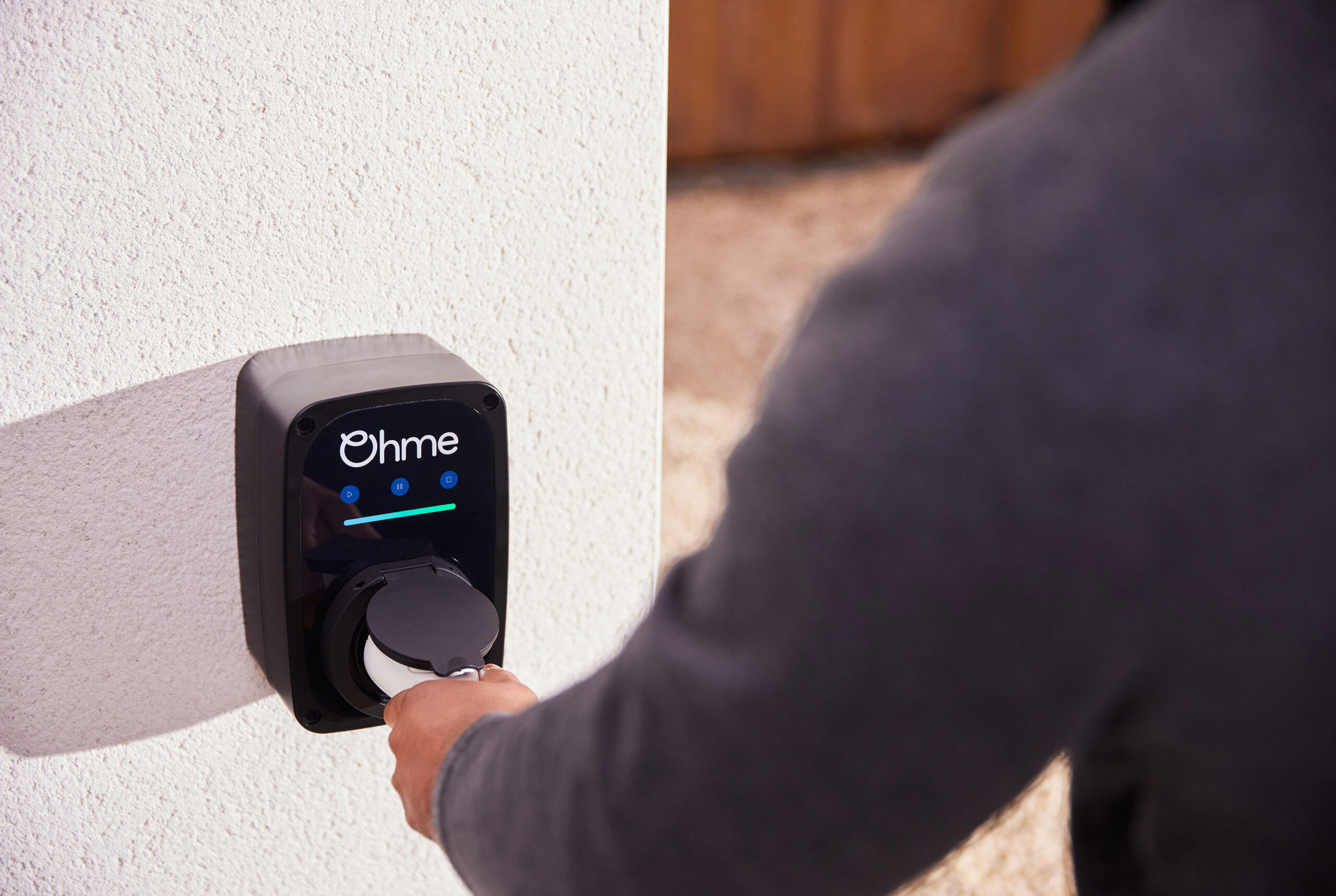
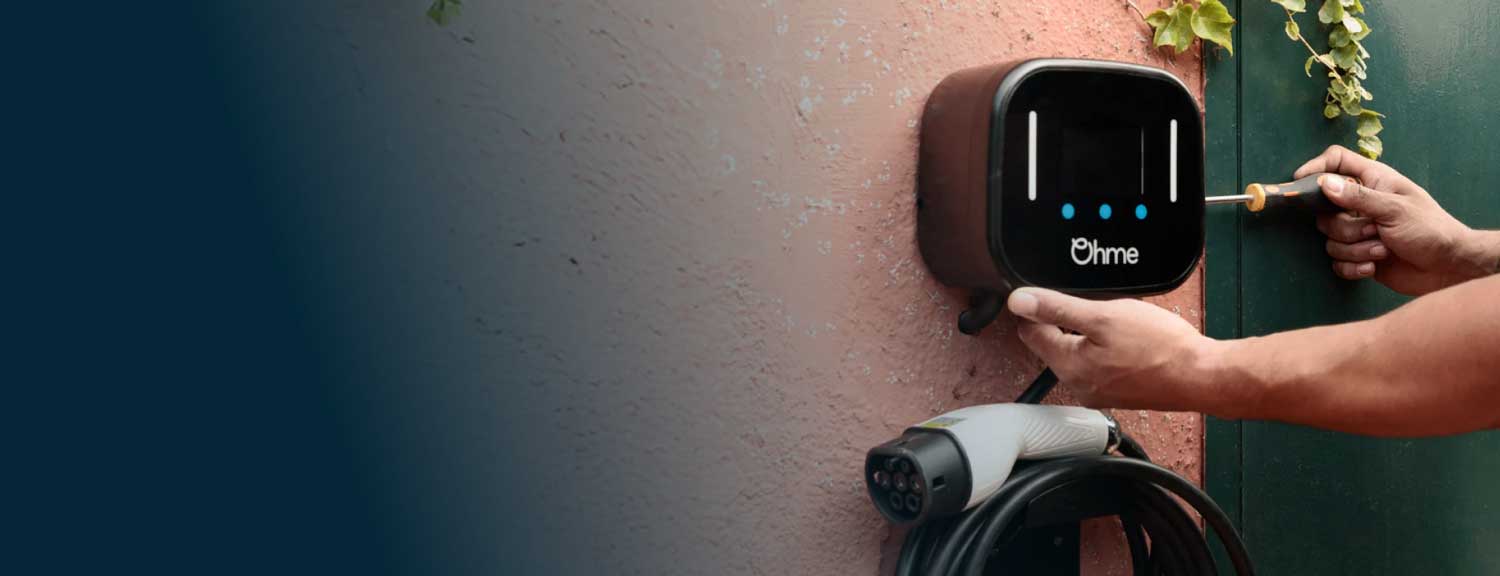
The charger unit is then mounted securely to the wall. Once installed, the electrician connects the wiring and installs the necessary safety protection devices.
Testing and Configuration
After the installation is complete, the charger is tested to ensure everything is operating safely.
Most smart EV chargers are then connected to a mobile app so homeowners can monitor charging and schedule charging during night-rate electricity hours.
Factors That Can Affect Installation Time
Although the majority of sites are relatively straightforward, there are a number of factors that can affect the length of time required for installation.
Distance From the Fuse Board
Longer cables are more time-consuming to install. It is always preferred to install a ChargePoint Home 2 EV charger as close as possible to the fuse board for optimal EV charging. However, this is not always possible. In order to achieve the desired connection for the home charger, sometimes it is necessary to run cables through attics, through walls, or even around the outside of a house.
Charger Location
Some Charge Points may require a cable run to the garage, side wall or even a separate building.
Electrical Upgrades
Some properties require additional electrical work to the house before the home charger installation can be completed.
For example, how to start charging their EV with the home charger.
- Load balancing equipment
- Fuse board upgrades are often necessary for the installation of a smart charger.
- Electrical capacity checks are essential before installing an EV home charger.
These changes are not required on all installations. They may increase installation time, particularly if additional upgrades are needed for the EV charger installed.
Do Installers Need to Turn Off Electricity?
During parts of the installation process, electricians may need to temporarily switch off the home’s electricity supply.
This usually happens when the charger is being connected to the fuse board.
In most cases, the power is only turned off for a short period of time, often less than 30 minutes, allowing for a quick installation of the home charging system.
Installers will normally inform homeowners before turning off the electricity so that appliances or devices can be switched off if necessary.
Once the electrical connection has been completed, power is restored and the charger can be tested.
Can EV Chargers Be Installed in One Visit?
In most homes, it is possible to install the complete system in a single visit.
Normally, the engineers bring the necessary components to connect the battery. (e.g. The SEAI grant can help homeowners offset the cost of installing a home EV charger.) leads, fuses, etc)
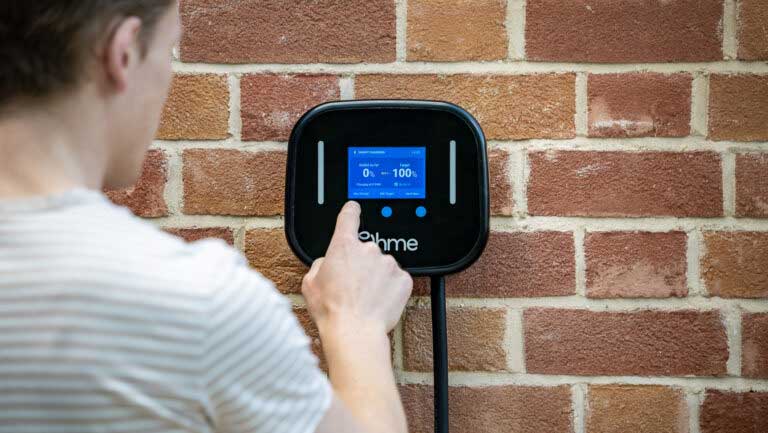
Once the installation is complete, our electrician will test the electric vehicle home charger and also show you how to use it.
Homeowners will usually be shown how to:
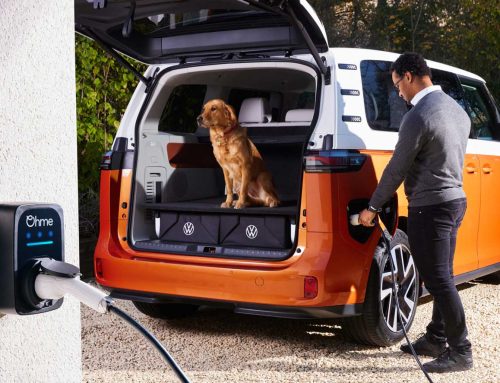
- Start charging their EV with the installed home charger.
- Use the charger app
- Schedule charging during cheaper night-rate electricity hours
EV charging can be commissioned immediately after the installation is complete, especially if the electric vehicle home charger grant has been applied for.
Planning Your EV Charger Installation
Installing an EV charger at a home in Ireland is generally a quick and straightforward process provided there is a suitable location for the charger.
Most domestic EV home charger installations take only a few hours to complete. Even less in many cases, especially if the charging point is close to the fuse board.
Every home is not created equal, and every home takes a different amount of time to complete a home charger installation. There are many factors that will influence the speed of an installation, including, but not limited to, the design of your home and the condition of your electrical system.
Site assessment is required to determine the best location to install chargers and to establish the method of electrical connection. This will give us a more accurate timeline of work required on site.
If you are one of the thousands of domestic customers looking to get a Home Electric Vehicle Charger installed, then it may be beneficial to understand how the process works, to help ensure you are best prepared for the day of installation.
Interested in knowing about EV Charger Cable Length and What Length Do You Need for Home Charging?